How Extended Broadcast Windows Are Reshaping Peak Hours for In-Play Wagers on Major Operators
Yara Hayes · Oct 24, 2026
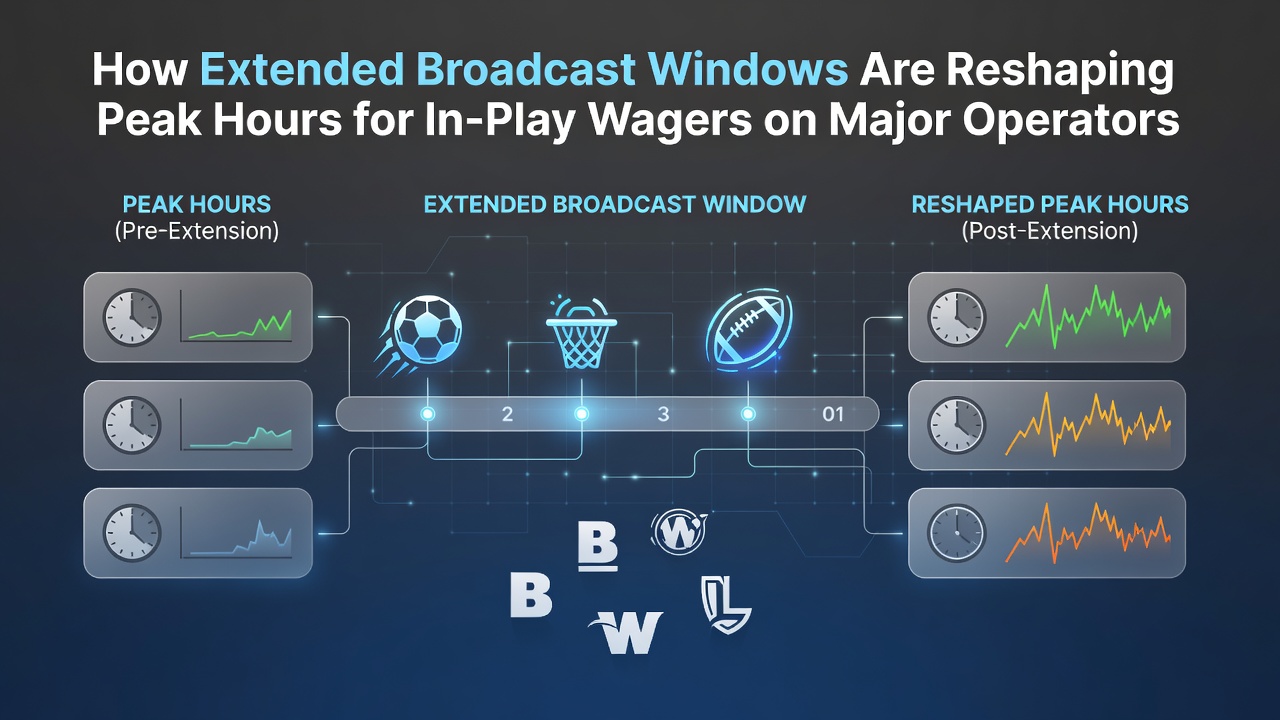
Longer television coverage of major sporting events continues to alter the timing of live wagering activity across leading betting platforms, and data shows these shifts concentrate activity into previously quieter periods. Extended broadcast windows now stretch well beyond traditional match durations with pre-game analysis, halftime features, and post-event breakdowns filling additional hours that keep viewers engaged and operators report corresponding changes in when in-play bets arrive. Operators track these patterns through internal metrics that reveal peaks moving later into evenings or spreading across multiple time zones as coverage expands. Research from the European Gaming and Betting Association highlights how additional airtime correlates with sustained wagering volume rather than sharp spikes limited to kickoff or final whistle moments, and figures indicate a redistribution of activity that smooths out earlier concentrations while building volume in shoulder periods.Changes in Viewer Engagement Patterns
Broadcast extensions create new entry points for audiences who tune in during segments that once sat outside core match windows, and this behavior directly feeds into betting interfaces. People often place wagers during extended pre-match discussions or injury updates that stretch coverage by thirty to sixty minutes, which shifts the first wave of in-play activity forward from what historical data recorded just five years ago. Those monitoring platform logs note that these early bets now account for a growing share of daily totals on events with prolonged build-up segments.
Studies compiled by the Canadian Centre on Substance Use and Addiction examined similar timing adjustments in North American markets where extended sports coverage runs into late hours, and results showed operators adjusting server capacity to handle distributed load instead of single concentrated bursts. This redistribution appears consistent across regions with comparable broadcast trends, and data indicates fewer extreme surges around traditional peak moments as coverage fills gaps throughout the day.
Platform Adjustments and Data Trends
Major operators respond to these patterns by refining risk models and promotional timing to match the new activity flow, and internal reports describe reallocating resources toward mid-evening windows that once saw lighter traffic. In October 2026, several platforms recorded measurable upticks in live bet volume during expanded coverage of international fixtures that ran past standard prime-time slots, with metrics showing activity persisting until broadcast sign-off rather than tapering after the final whistle.
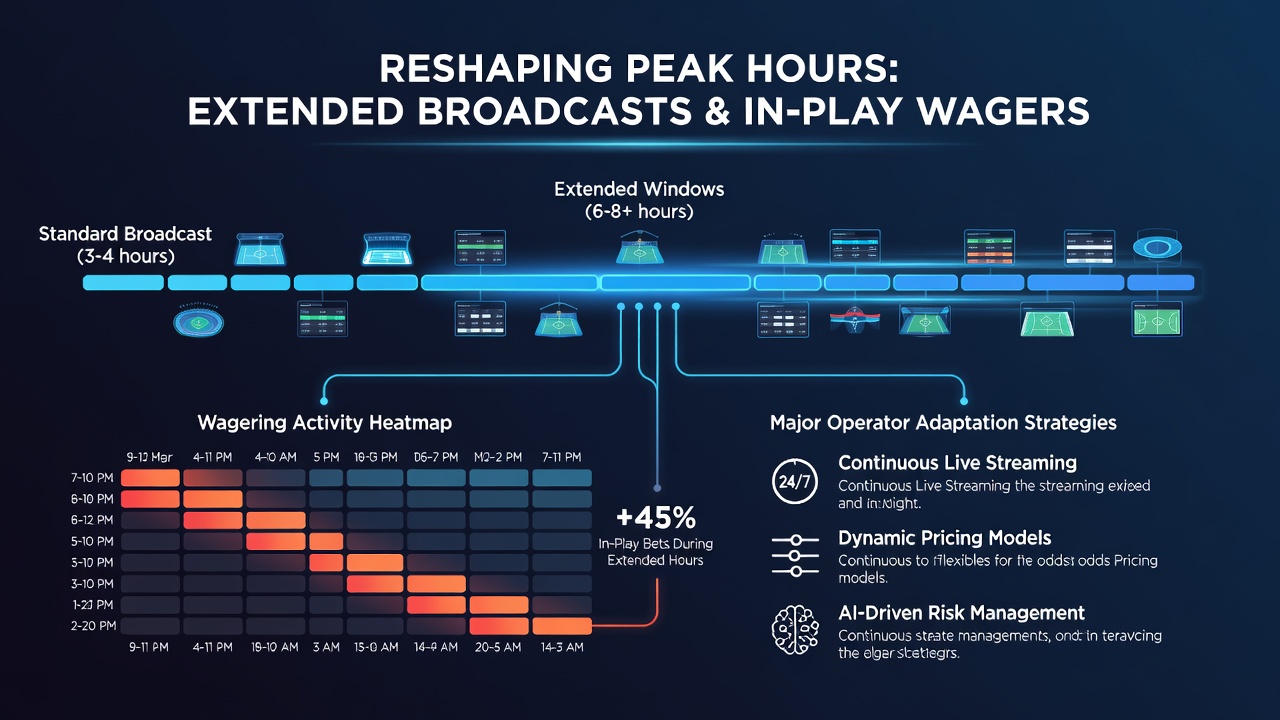
One analysis from the University of Nevada Gaming Research Center tracked hourly wager distributions across multiple operators and found that events with added broadcast length produced steadier in-play engagement across four to six hour spans instead of two-hour clusters. Observers note that this steadier flow reduces strain on systems during any single interval while creating opportunities for operators to layer additional markets as coverage evolves.
Regional Variations in Timing Shifts
European markets display distinct responses compared with Australian or North American ones because broadcast schedules align differently with local time zones, yet the core pattern of extended windows reshaping peaks holds across datasets. Australian operators, for instance, report activity extending into overnight hours when coverage of overseas events includes full pre- and post-analysis blocks, and similar extensions appear in Canadian figures where late-night sports programming draws consistent live bet interest.
Industry reports compiled by the American Gaming Association document parallel movements in U.S. state markets where sports networks lengthen airtime around college and professional events, and the resulting data shows in-play wagers arriving across broader evening windows rather than clustering strictly around start times. These adjustments require operators to maintain dynamic odds compilation teams that stay active longer, and platform logs confirm the operational changes match the broadcast expansions.
Conclusion
Extended broadcast windows continue to redistribute in-play wagering activity across major operators by filling previously quiet intervals with sustained engagement opportunities. Data from multiple regions confirms that peak hours now stretch and shift in line with coverage length, and operators adapt infrastructure and market offerings accordingly. This evolution reflects ongoing alignment between media schedules and betting behavior as both sides respond to viewer habits tracked through 2026 metrics.